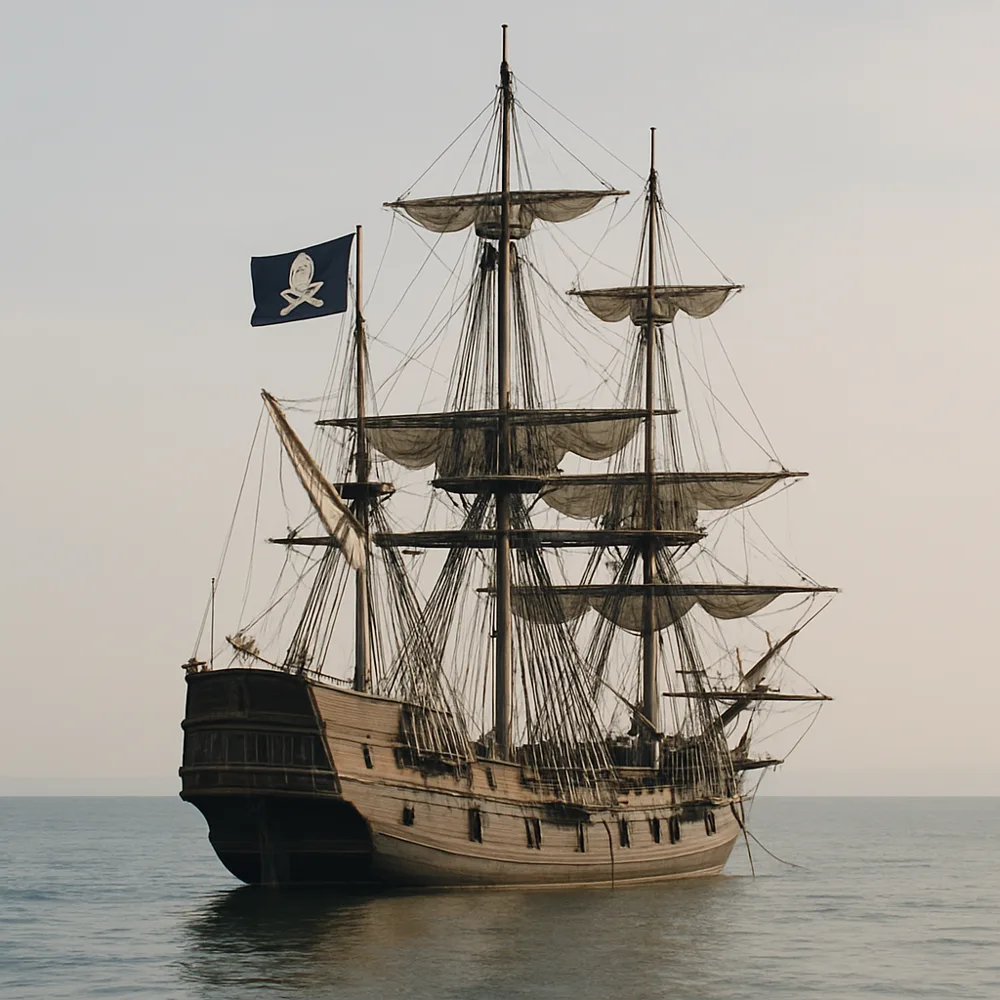
Anne Bonny and Mary Read are among the best-known women associated with piracy in the early eighteenth century. They sailed with the crew connected to John Rackham, commonly called Calico Jack, in the Caribbean. In 1720, authorities captured Rackham's vessel, and Bonny and Read were tried in Jamaica. Their case drew attention because women were rarely represented in surviving pirate records, not because the sources provide a complete picture of their lives.
The trial proceedings are among the most useful records for understanding the capture and prosecution. They report that both women were convicted of piracy and sentenced to death, while also recording that each pleaded pregnancy. Under the legal practice of the period, a pregnancy claim could delay execution. The surviving documents say little about what happened to them afterward, leaving historians cautious about confident claims concerning their later lives. Gaps in evidence have invited speculation, but speculation is not the same as a documented biography.
A popular account of Bonny and Read appears in a book published under the name Captain Charles Johnson in 1724. It offers vivid stories, but its authorship and reliability are debated, and its dramatic details cannot all be checked against independent sources. Reading the courtroom record alongside later narratives helps reveal how reputation was constructed. Their history matters in its own right, while also reminding us that official archives preserve some lives more fully than others.